
Fake AI Claims Flooding Insurance Industry
A report by BBC Wales has deep-dived into the world of Ai-generated images and insurance fraud.
As artificial intelligence becomes more accessible, through tools such as Adobe Photoshop, OpenAi, Microsoft Copilot, Use AI or NanoBanana (more are available) – it is being used for all types of jobs, hobbies and tasks. However it has been reported that some individuals are using Ai to trick insurance companies in the effort of receiving a larger claims payout.
Admiral recorded 71% rise in fraud. An insurance business report posited that half of all insurance organisations have received a deception attempt each month. Ai-generated fraud is a trend that has impacted the whole insurance industry.
Examples of AI-generated insurance fraud?
Ai-generated images and manipulation could be used by genuine claimants hoping to increase their payout, or criminal gangs trying to trick insurance companies. Real world examples include:
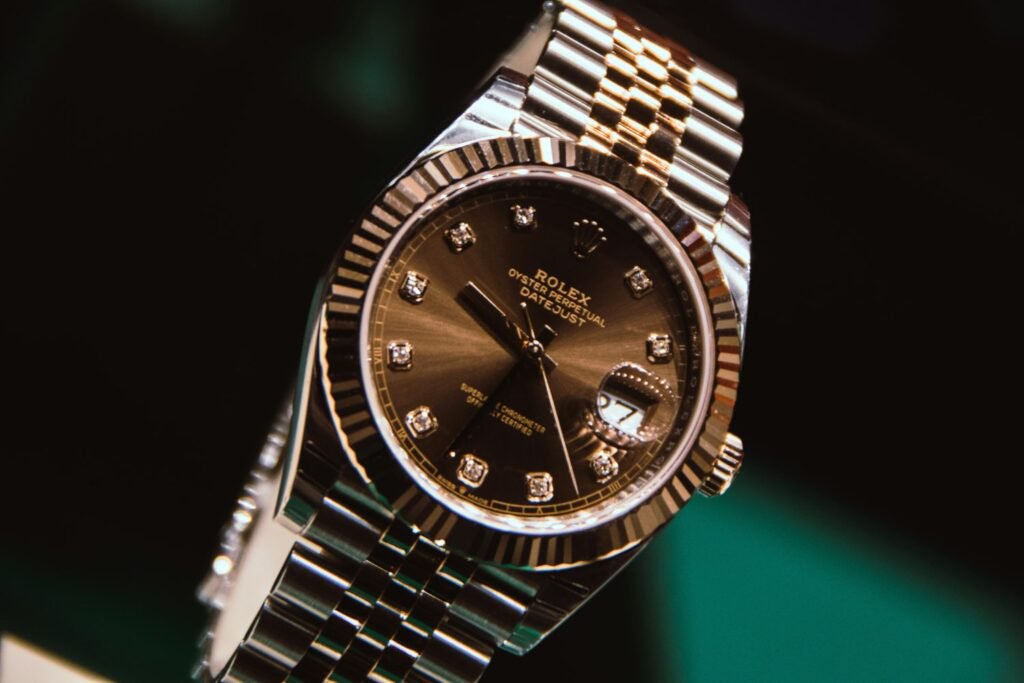
- A watch submitted as evidence for a claim had been photoshopped encrusted with diamonds, to make it look more valuable.
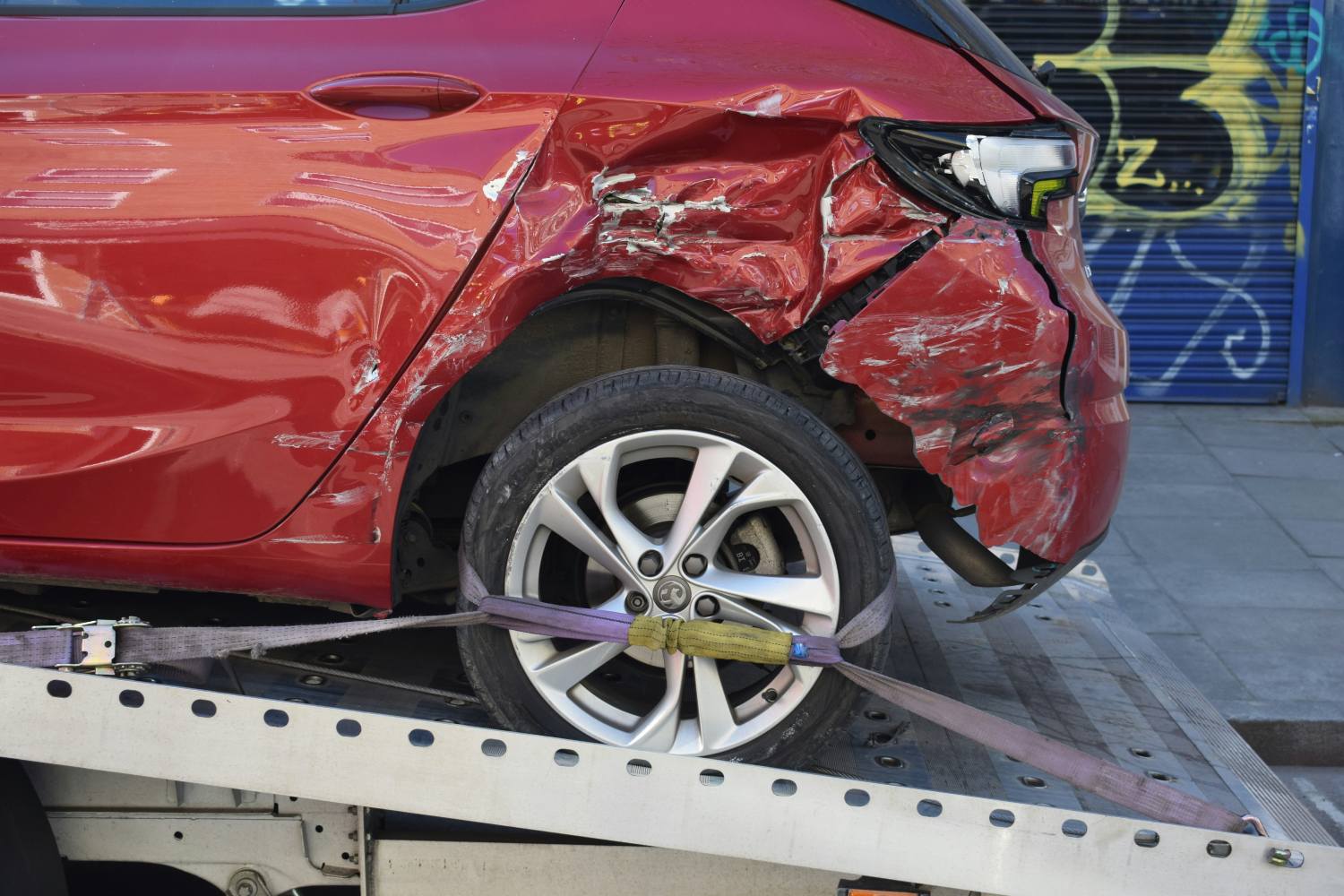
- A car crash with exaggerated damage or invented damage.
- Car number plates being changed or removed.
- Gangs creating fake documents.
- Deepfake audio used to impersonate individuals in order to trick insurance employees.
How do insurance companies know images are fraudulent?
There are multiple ways in which an ai-generated image or video can be detected.
Insurers have anti-fraud software in place, which can easily detect manipulated images, or any images that have been processed through ai software. All digital images have a footprint, located within their meta data, which often includes a timestamp, how they were taken and any evidence of digital manipulation. All submitted images to insurers will go through automated systems which allocates a trust score to the source – the score comprises of flagged inconsistencies, such as abnormal lighting and pixel issues.

To defend against ai-generated images, insurers are asking clients to provide more detailed information and evidence. Multiple files requested, sending original documents by post, using facetime or other real-time video to prove damages, or an on-site visit.
The world of artificial intelligence is fast moving and ever-evolving. Insurers are constantly updating their automated system and delivering training on cyber security and ai detection. Any claimant caught using ai-generative software to impact their claim, a voiding of their insurance policy should be the least of their concerns
What are the consequences for customers caught using Ai-generated images?
Using ai to enhance or fabricate claims evidence is fraud, and is illegal. At the very least, anyone caught fabricating the extent of claim damages will have their policy cancelled.
The legal penalties for ai misuse are severe. Violations can include falsifying records which perverts the course of justice, fraud act offences for false representation, or Online Safety Act violations for imitation intentions and deepfakes.
In the UK, convictions under the Fraud Act can lead to a jail sentence of upto 10 years. Any professionals or certified insurance associates caught using artificial intelligence to manipulate could be struck off, and insurance companies committing fraud will be investigated by the FCA and face criminal sanctions.
At Romero Insurance Brokers, we are actively defending against ai-generative software’s impact on the industry. Through training and anti-fraud software, and with the help of insurers, we will continue to spot fraudulent attempts and disrupt the efforts of criminals and unscrupulous individuals.