
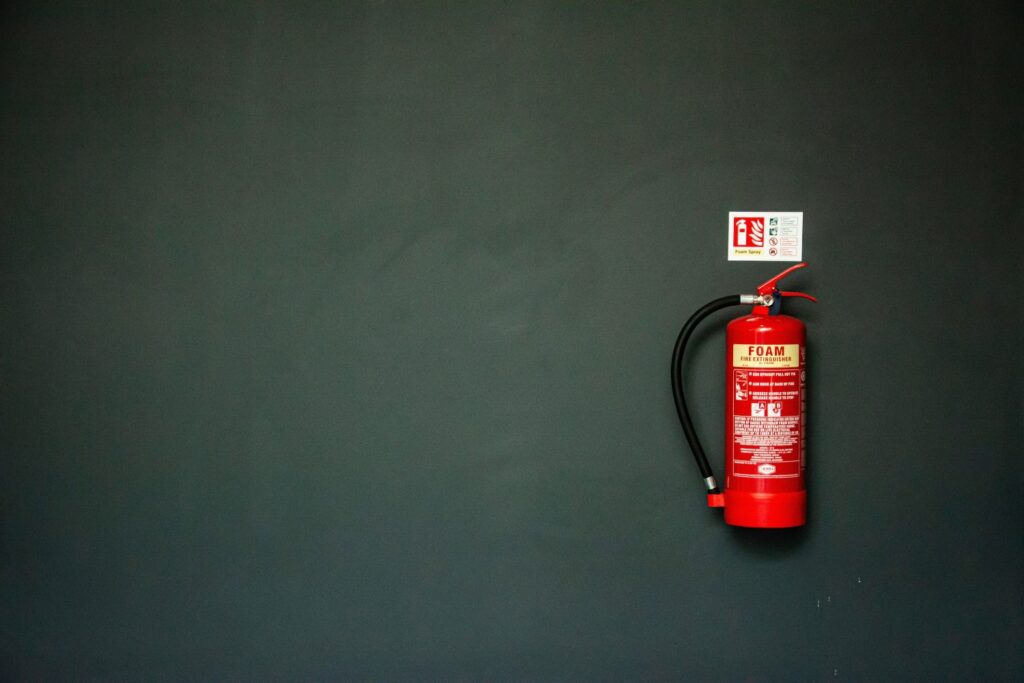
The danger of fire to businesses
Fire is one of the most prominent risks facing the construction and manufacturing industries. The consequences of a fire are devastating, involving financial losses, business interruption, reputational damage and possibly on-site fatalities. The retail, commercial and automobile industries also need to be acutely aware of fire risks and how to properly manage them.
Fire risk mitigation is a legal requirement for all businesses. Every business must understand their responsibilities relating to fires and fire prevention. Yet the Government provide limited information on how to control fire risks. Which is why at Romero Insurance, we have worked with our partners at Sentient HR, to lay out the legal requirements. These obligations will need to be known by the business’s elected responsible person.
At Romero Insurance, we also provide guidance around control measures and fire risk assessments. Each year, hundreds of fires on construction sites put both workers and members of the public at risk. Fire safety in construction is about eliminating fire risks during the design phase, as well as preventing fires from starting and ensuring people’s safety if they do. Stallard Kane have listed the most important considerations when reviewing a business’s fire risk requirements.
What are the legal requirements for Fire Extinguisher Maintenance?
To understand the full breadth of the legal requirements concerning fire extinguishers and fire prevention, we answered the most frequently asked questions. Contact us for specific guidance and information on fire extinguisher obligations for businesses.
What training is required for Responsible Persons?
The Fire Safety Reform (Regulatory Reform Order 2005) requires that every business require a responsible person. This person is legally responsible for the fire safety of the business, including the maintenance of the fire extinguisher.
The competent Person must have the right training, experience, and access to the correct equipment and manufacturer guidance. Training standards required are: BS 5306-3 (for the maintenance of portable fire extinguishers), and BS 5306-8 (for the positioning of portable fire extinguishers).
What are the Installation and Positioning Requirements of fire extinguishers?
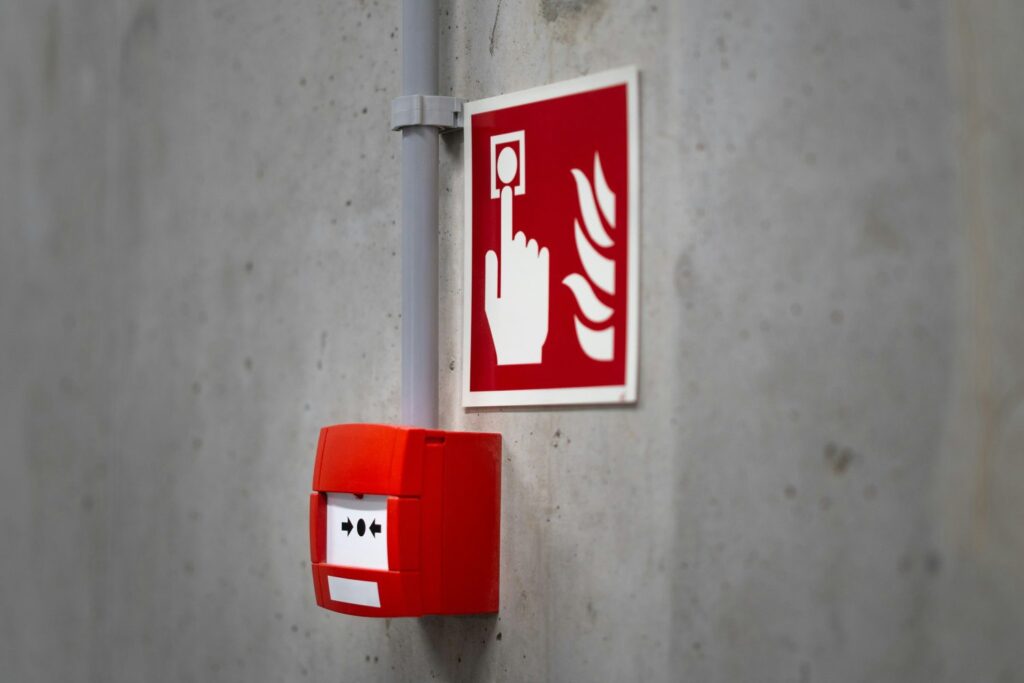
A key role of the responsible person is to adjudicate the installation and location of the fire extinguishers on site. Fire extinguishers must be mounted securely, either fixed to a wall or attached to a stand. This is to stop them being moved unduly. They must also be light, under 4kg as per BS5306 standards. Their location should be no further than 30 meters from a high risk area, and near escape routes or corridors. Clear signage should be visible for all fire prevention methods, indicating their presence.
The responsible person must ensure that fire extinguishers are in full working order and have been placed around the premises correctly. Stallard Kane posits that there is evidence fire extinguishers effectively impact numerous incidents and play a major role in first aid safety.
The presence of portable fire extinguishers does not remove the need for other preventative measures. Fire extinguishers should be part of a whole system, which includes physical fire prevention such as blankets, hoses, sprinklers, and also fire alarms and emergency exit procedures. Conducting a fire risk assessment is a key aspect of the responsible person. This will be a major piece of the documentation request by insurers and authorities, were a fire to happen on a business’s premises.
Conducting a fire risk assessment is a key aspect of the responsible person. This will be a major piece of the documentation request by insurers and authorities, were a fire to happen on a business’s premises.
How often should fire extinguishers be maintained?
Fire extinguishers are classed legally as life safety equipment, therefore they must be serviced regularly, which is understood as annually.
Responsible persons will be obliged to arrange a competed qualified individual to maintain the equipment. They must also review the equipment to check it’s in working order, good repair and suitable for the scale of the risk.
Fire extinguishers require multiple types of services over their lifespan. Annually they should be checked by an engineer. Every five years, they will be required to be discharged to ensure the foam or water is suitable. And whenever the extinguisher is used, it should be services and refuelled.
Often it is more cost effective to replace a fire extinguisher on the 5 year service point rather than service it. And be aware, fire extinguishers specifically containing Aqueous Film Forming Foam (AFFF), should be replaced with an alternative solution, as they have been banned since July 2025. The recommended replacement is C6 fluoroprotein fire extinguishers, also known as FFFP.
How an insurance broker can help a business follow their fire extinguisher obligations?
At Romero Insurance Brokers, we want to ensure our clients manage their risk and follow all obligations placed upon them by the law. We provide a tailored and accurate assessment of high-priority risks and the best control measure your specific business needs to put in place.
At Romero Insurance, we utilise our partners Sentient, the HR and Health and Safety outsourcing company. For a range of training course and informative whitepapers, contact us to get in touch with Sentient.
We provide fire risk assessments templates as well as guidance on how to appropriately incorporate preventative measures. We offer updates on serious legal action that could impact your business operations. We have handled fire and disaster claims for over 20 years and have successfully negated the business interruption of several high profile businesses.
For a confidential review of your cover, investigating any gaps in your business insurance cover, or to understand if you are paying an accurate premium, contact us. Our confidential review will in no way affect your current relationship with your provider.